Oil prices, inflation, rising interest rates
The war in Iran is increasingly impacting the price of oil and gas, and the shortage of these energy resources is only exacerbating the situation.
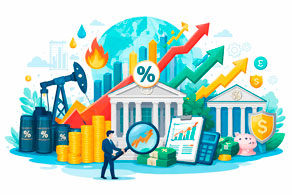
Things wouldn't be so dire if only energy prices had risen, but oil and gas prices are built into the cost of many products, so their increase leads to higher costs across the board.
Prices for food, real estate, services, and public transportation will begin to rise again. Inflation will lead to currency depreciation, which will almost inevitably lead to another increase in interest rates by central banks.
Raising interest rates is a standard response to rising inflation. Central banks try to "cool" the economy by making money more expensive. Credit becomes less accessible, consumption declines, and investment activity falls.
But for the markets, this means the beginning of a completely different cycle.
What will high rates bring to investors?
Growth stocks are especially under pressure. Companies focused on future profits are losing value as their earnings are discounted at a higher rate. This is especially true for the technology sector.
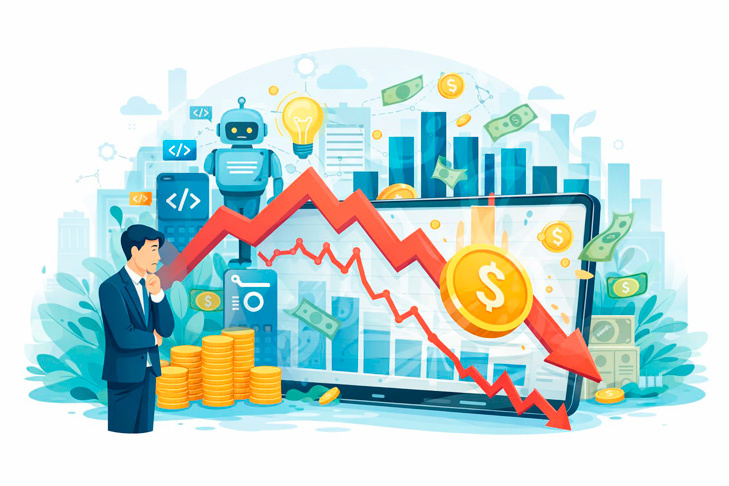
Real estate is also reacting negatively. Expensive mortgages are reducing demand, transactions are slowing, and prices are either stagnating or are beginning to correct.
Companies with high debt loads also appear weaker. Loan servicing becomes more expensive, profits fall, and risks increase.
Who benefits from rising rates?
First and foremost, the banking sector. Rising rates increase interest margins, and banks begin to earn more on loans, which often leads to higher profits and share prices.
Insurance companies and pension funds also find themselves in a more advantageous position—they can invest at a higher interest rate, locking in profits over the long term.
Bonds also become attractive, especially when rates reach high levels. This allows you to lock in income for years to come, especially if rates are expected to decline later.
The oil market deserves special attention
On the one hand, high oil prices continue to drive up inflation and provoke further rate hikes. On the other hand, high rates themselves are beginning to slow the economy, which ultimately reduces demand for energy.
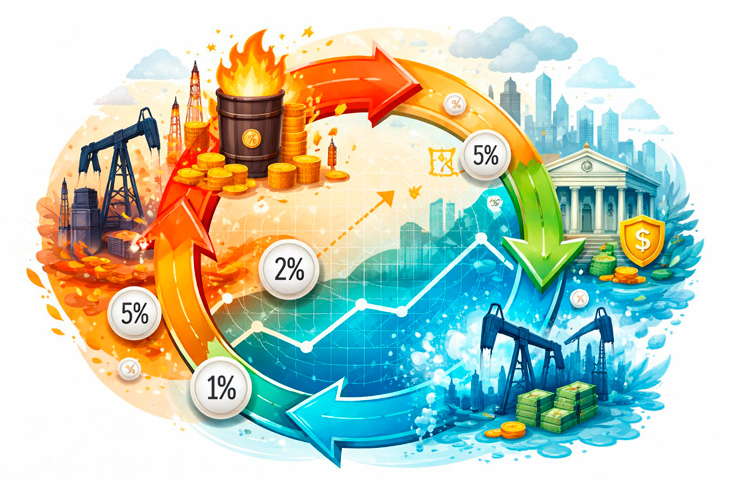
This creates a classic contradiction on which market reversals are formed.
If oil prices continue to rise, inflationary pressure will persist, meaning central banks will be forced to keep rates high for longer than the market expects.
In such a situation, it makes sense for investors to shift their focus towards more stable instruments – the banking sector, bonds, and companies with strong balance sheets.
It's important to remember that the longer high rates persist, the higher the likelihood of a subsequent economic cooling and a correction in commodity markets. It's at this point that the most interesting entry opportunities begin to emerge.
Brokers for oil trading on the stock exchange - https://time-forex.com/vsebrokery/broker-fuchersy