Correlation of oil and gold, the relationship between the prices of these two assets
Using correlation in stock trading is one of the most popular and simple strategies, which even a novice trader can handle.
Oil and gold are two key assets in the financial markets that attract the attention of traders and investors around the world.
Both resources are of great importance to the global economy, and their prices are often affected by similar factors such as geopolitical instability, inflation, and exchange rates.
This creates a correlation between oil and gold prices, which can be used in trading strategies on the stock exchange.
What is correlation and how does it work?
Correlation is a statistical relationship between two assets. It ranges from -1 to +1. If the correlation is close to +1, it means the asset prices move in the same direction. If it is closer to -1, the assets move in opposite directions. A correlation near 0 means there is no relationship between the assets.
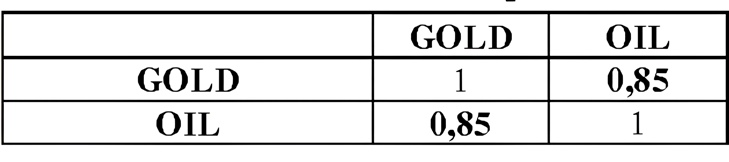
However, the correlation is not constant and can change depending on economic and political factors.
Why are oil and gold correlated?
Inflation and economic instability. Gold is traditionally considered a "safe haven" during periods of economic uncertainty. When the economy faces risks, investors buy gold to preserve capital.
At the same time, oil as a key energy resource also affects the economy: high oil prices can lead to increased inflation, which stimulates demand for gold.
Changes in the value of the dollar. Oil and gold prices are typically denominated in US dollars, making them sensitive to changes in the dollar's exchange rate. When the dollar weakens, both assets tend to appreciate, becoming more attractive to holders of other currencies.
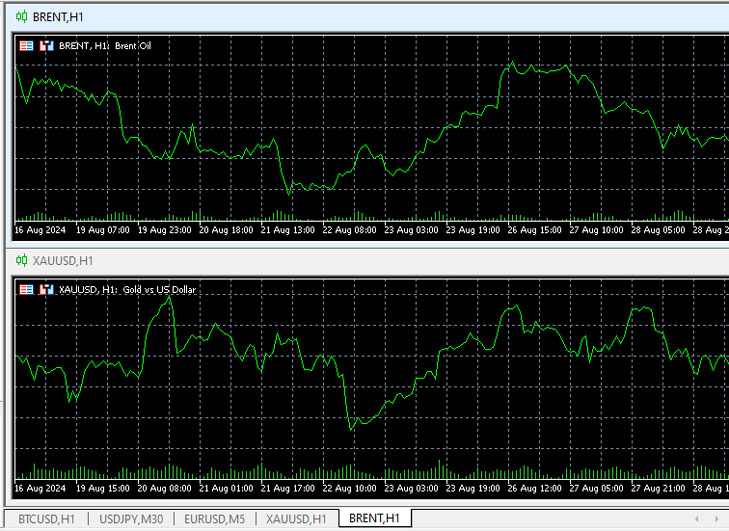 Geopolitical risks. Conflicts in the Middle East, trade wars, and other geopolitical events can simultaneously impact both oil and gold prices. Increased instability leads to higher oil prices due to supply risks, while gold appreciates as a safe-haven asset.
How to Use the Oil and Gold Correlation in Trading
Understanding the relationship between oil and gold can help traders make more informed trading decisions. Here are some strategies to consider:
Trading based on changes in a single asset. If oil prices rise sharply, this may signal a possible rise in gold prices. In this situation, buying gold may be considered. Similarly, if oil prices fall, gold prices may decline, providing an opportunity to sell or take profits.
Hedging risks. The correlation between oil and gold allows these assets to be used for hedging.
For example, if a trader expects oil prices to rise but wants to hedge against potential downside risks, they can open a long position in oil and a short position in gold. This helps mitigate losses if the forecast turns out to be incorrect.

Using macroeconomic data. When analyzing oil and gold, it's important to consider macroeconomic indicators such as inflation, interest rates, and oil reserves.
These factors can influence both assets simultaneously, strengthening their correlation. For example, if inflation rises, this could lead to a simultaneous rise in gold and oil prices.
It's also worth keeping in mind that historical correlation does not guarantee the same patterns will repeat in the future. It's important to combine correlation analysis with other methods, such as technical and fundamental analysis.
The oil and gold correlation is a useful tool for traders, helping them better understand the price movements of these assets and exploit their interrelationships in trading. However, for successful trading, it's important to consider the many factors that influence their dynamics and not rely solely on correlation.
Regularly analyzing macroeconomic data, the political situation, and market trends can help you make more informed decisions.