HSBC predicts a recession in the US in the fourth quarter of 2023, followed by a recession in Europe in early 2024
Joseph Little, one of the asset managers at the British banking giant, said: "We are experiencing a slight decline in profits, and the number of corporate defaults is steadily increasing.

We are assured that high inflation will decline relatively quickly, which will give policymakers the opportunity to cut rates.
Despite statements from central bank officials and obvious pressure on inflation, HSBC Asset Management expects the Fed to cut rates by the end of 2023, with the ECB and Bank of England following suit in 2024.
The Fed is pausing monetary tightening and keeping its target range for the federal funds rate at 5% to 5.25%, but signaling that two more rate hikes are possible this year.
Joseph Little admits that central banks will not be able to cut rates if inflation remains above target.
Therefore, it's important that the recession "doesn't come too early" to prevent it from becoming deflationary. He added: "The scenario for the coming recession will be more like the recession of the early 1990s, and our baseline scenario is a GDP decline of 1-2%.
HSBC believes that a recession in the Western economy will have negative consequences for global markets for two reasons:
First, financial conditions are rapidly tightening, which is causing the credit cycle to slow down and businesses are starting to experience a shortage of funds.
Secondly, market participants do not yet fully understand the seriousness of the current situation and are not taking measures to prevent the consequences of a recession:
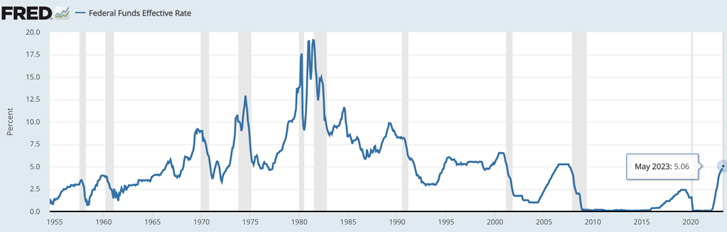
He argues that this recession will not be enough to remove all inflationary pressure from the system, so advanced economies face a situation where inflation and interest rates will gradually rise.
The level of interaction with interest rates is very attractive, especially against the backdrop of the Central Bank's fiscal curve.
"From a lending perspective, we select and focus on high-quality investment loans rather than speculative investment loans. We have a greater interest in emerging market equities," added Joseph Little.