Why isn't the Ripple (XRP) cryptocurrency rising in price?
Ripple (XRP) remains one of the most well-known and significant digital assets in the world, and the token also has a real purpose.
My news feed is constantly filled with news about some financier or other predicting unprecedented growth for Ripley in the near future. It seems like someone is actively pumping this cryptocurrency.
However, many investors are wondering why its price isn't rising, despite the stable use of Ripple technology, its market recognition, and active bullish sentiment
In this article, we'll look at where Ripple is used, its historical highs, future prospects, and the factors that could be holding back XRP's growth.
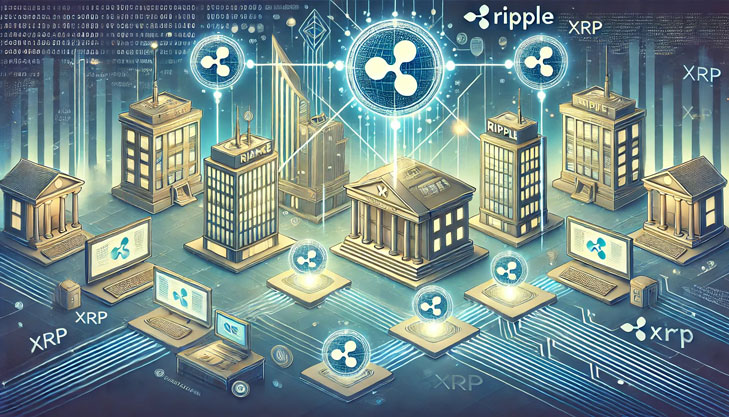
Additionally, companies like Santander, American Express, and others use Ripple technology to optimize their payment processes.
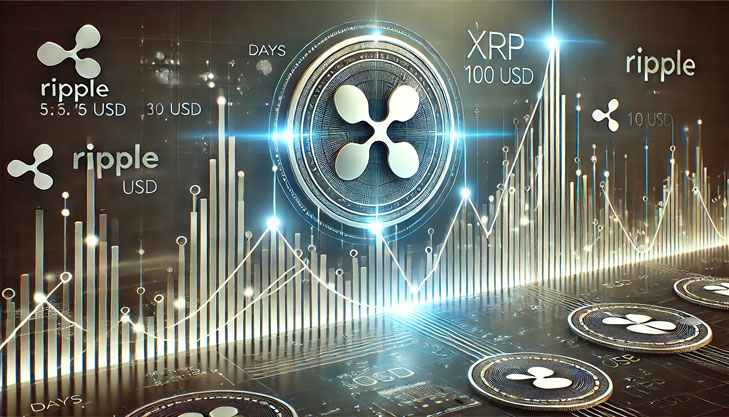
Ripple has experienced several price increases throughout its history, but its most significant growth occurred in 2017, when the cryptocurrency reached an all-time high of approximately $3.84 per token. This occurred amid a general cryptocurrency boom, when interest in digital assets grew rapidly and institutional and retail investors bought cryptocurrencies en masse.
However, after reaching this peak, XRP's price began to decline and has since failed to recover to its previous levels. At the time of writing, XRP is trading at levels well below its all-time highs.
Ripple's Prospects
Ripple's prospects are primarily linked to its strong partnerships and penetration into the banking sector. Every year, more and more financial institutions are beginning to integrate Ripple's solutions to improve their international payment systems. This could pave the way for future growth in XRP's value, especially if Ripple succeeds in cementing its leadership in the interbank transfer market.
Furthermore, with growing interest in digital assets from institutional investors and central banks, Ripple could play a key role as a bridge between cryptocurrencies and traditional financial systems. If the company can overcome current legal and regulatory challenges, XRP could become one of the first cryptocurrencies to be actively adopted by the global economy.
Reasons why Ripple's price isn't rising
Despite the clear promise of Ripple's technology, there are several factors currently hindering the price of XRP:
Regulatory concerns: One of the key factors holding back XRP's price growth is the ongoing legal battle with the US Securities and Exchange Commission (SEC). The lawsuit concluded a couple of months ago, but investors remain pessimistic.
Market Competition: Ripple faces significant competition from other cryptocurrency projects such as Stellar (XLM), which offer similar solutions for fast and low-cost transactions.
Lack of demand for the token: Although Ripple technology is actively used by banks, the XRP token itself does not always play a key role in these transactions. Many financial institutions use the RippleNet infrastructure but do not necessarily require the XRP token, limiting its practical value and, consequently, market demand.
Today, Ripple remains a significant cryptocurrency with great potential, particularly for use in banking and finance. An XRP ETF is planned to launch soon
However, XRP's value faces a number of barriers, including regulatory concerns, investor skepticism, and competition from other blockchain projects.
If Ripple successfully resolves its legal issues and strengthens its integration with global financial systems, its price could resume growth. The most realistic prospect is $2 per coin.
You can buy or sell from these brokers – cryptocurrency brokers