Important factors causing fluctuations in oil prices
Global oil exchanges play a critical role in the global economy, determining the price of one of the most sought-after commodities: oil.
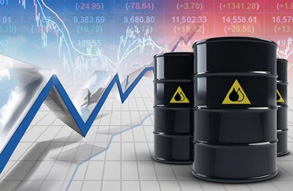
The largest of these are the New York Mercantile Exchange (NYMEX), the London Intercontinental Exchange (ICE) and the Singapore Commodity Exchange (SGX).
These organizations serve as the main trading platforms for oil and set its prices, which are then used throughout the world.
Oil pricing is a complex process that depends on many factors that collectively influence the cost of energy resources.
What influences the price of oil on world markets?
The following factors influence the price of oil on world exchanges:
- Supply and Demand: An increase in global demand for oil or a decrease in its supply leads to an increase in prices.
- Geopolitical situation: Military conflicts and political instability in oil-producing countries cause price increases.
- Macroeconomic indicators: Inflation, changes in exchange rates, economic growth or recession also affect the price of oil.
- Weather conditions: For example, hurricanes can cause oil platforms to shut down, which reduces the supply of oil on the market and increases prices.
The main factors influencing the price of oil
The global economy depends on the price of oil. This essential resource plays a key role in many industries, from manufacturing to transportation. But what influences the price of oil on global exchanges?
There are three main factors that can be identified in this issue: the political situation in the world, economic indicators and weather conditions.

The political situation has a significant impact on oil prices. Military conflicts, political instability, and sanctions often lead to a decline in oil production and supply, which in turn drives up prices. For example, the oil crises of 1973 and 1979, triggered by political events in the Middle East, led to a sharp rise in oil prices.
Economic indicators also play a significant role in determining the price of oil. Specifically, global supply and demand, inflation, exchange rates, and the overall state of the global economy can significantly impact the price of oil. For example, during the 2008 economic crisis, demand for oil declined, causing the price to decline.
Finally, weather conditions can affect oil production and transportation, which also affects prices.
For example, hurricanes and storms temporarily shut down oil platforms, leading to reduced supply and higher prices. Furthermore, harsh winter conditions can complicate oil production and transportation, which can also increase prices.
OPEC's role in oil price formation
The Organization of the Petroleum Exporting Countries (OPEC) plays a significant role in determining global oil prices. OPEC is an international organization comprised of 13 countries holding the largest oil reserves.
Together, these countries control approximately 44% of global oil production and approximately 81.5% of global oil reserves. Therefore, any decisions made by OPEC directly impact global oil prices.
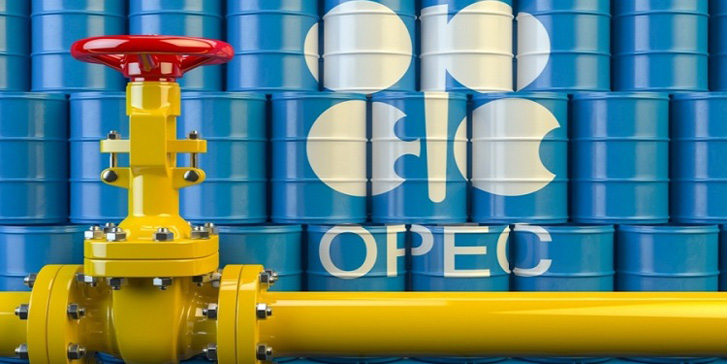
OPEC decisions affecting oil prices are primarily related to production levels. OPEC can increase or decrease oil production to stabilize global oil prices.
When oil prices fall sharply, OPEC decides to cut production to reduce supply and thereby raise prices. Conversely, when oil prices rise sharply, OPEC increases production to increase supply and lower prices.
The influence of OPEC on oil prices is clearly illustrated by the following events:
- In 1973, OPEC decided to cut oil production, which led to an "oil crisis" and a sharp rise in oil prices.
- In 2014, OPEC decided not to cut oil production despite falling prices. This led to a further decline in oil prices.
- In 2020, in response to the COVID-19 pandemic, OPEC and its partners agreed to historic oil production cuts to support prices.
Thus, OPEC plays a key role in determining prices on global exchanges. However, it's worth noting that OPEC is not always the only factor influencing oil prices.
Technical factors affecting the price of oil
One of the modern factors influencing energy prices is technological progress. Modern technologies significantly simplify the process of oil production and refining, which, in turn, affects its cost.
The development and application of new drilling methods, increased equipment efficiency, and the introduction of automated production process control systems allow for cost reduction and increased production volumes. This leads to increased oil supply on the market and, consequently, lower prices.

Despite all the benefits of technological progress, it often leads to rising energy prices. As with the introduction of new, more environmentally friendly technologies, the costs of their development and implementation are quite significant and will lead to higher oil prices in the long term.
Another factor influencing oil prices is speculation on the stock exchange. Speculators actively use various tools and strategies to profit from price fluctuations. They artificially create a shortage or surplus of oil on the market, which leads to fluctuations in its price.
Oil price forecasting
Experts' forecasts regarding oil prices vary widely and depend on many factors.
The main factors include the global political situation, economic growth or decline in major oil-consuming countries, and the situation on the foreign exchange market. For example, a stronger dollar typically leads to lower oil prices, as oil is traded in that currency.

Possible scenarios for the global oil market are also quite varied. Among the most likely are:
- Oil prices may rise if political instability in oil-producing countries increases.
- Falling oil prices with increased production in OPEC and non-OPEC countries.
- Prices change upward or downward depending on global economic growth or decline.
However, it is worth remembering that all of these scenarios may come to fruition to varying degrees and at different times, as oil prices are influenced by a huge number of factors, many of which are unpredictable.
In conclusion, I would like to note that despite all the difficulties of forecasting, an analysis of the current situation on the global oil market allows us to make fairly well-founded assumptions about future prices for this vital resource.
However, it will be possible to confidently speak about any specific figures only after taking into account all the above-mentioned factors and possible scenarios for their development.