Why don't great financiers like to trade Forex?
More than once, when reading traders' stories, you come across the fact that almost none of them trade on the Forex currency exchange.

Yes, every financier deals with currency, but the main focus is always on other markets.
Why is it that huge fortunes are mostly made on the stock or commodity exchanges, and it is almost impossible to find a billionaire who made his fortune on Forex?
It may be true that the foreign exchange market is only intended for transactions with currencies necessary for the operation of a company and is not entirely suitable for speculation.
The stock market is a much easier place to make long-term and medium-term investments, as you can calculate the real value of a company's shares based on the value of its assets.
It's also quite possible to predict financial results based on information about a company's operations. And the publication of financial results directly impacts the stock price.
Another important factor is that stock market prices fluctuate not just for individual stocks, but for entire economic segments. For example, if the IT sector is experiencing overall growth, then most companies operating in this sector will also appreciate.
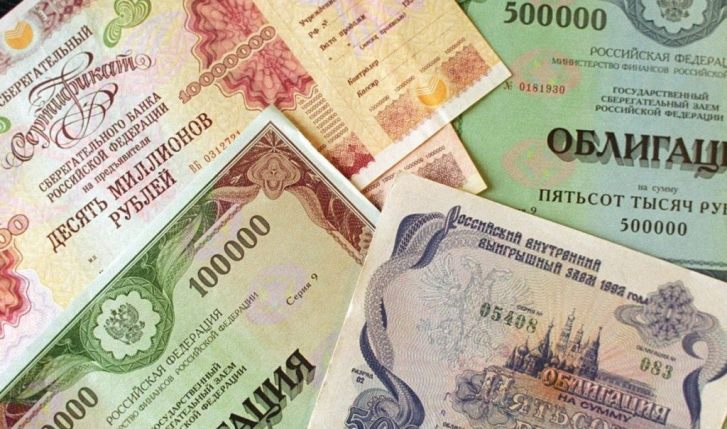
In addition, there is the opportunity to trade not only company shares, but also to purchase bonds, which provide stable profits with long-term investments.
Commodity markets are where things are even simpler, that is, simpler for those people who have been trading on the commodity exchange for several years.
This isn't about oil transactions, as the price of oil isn't particularly stable or predictable. Rather, it's about trading in assets like beans, coffee, cotton, and grains, whose prices are more predictable.
Therefore, a person who knows what influences the price of wheat and what seasonal patterns are being observed can quite accurately determine the trend.
Of course, not everything is so simple on the commodity exchange; there are many nuances in trading, for example, the same contract expiration dates, but still, everything is more predictable than with exchange rates.
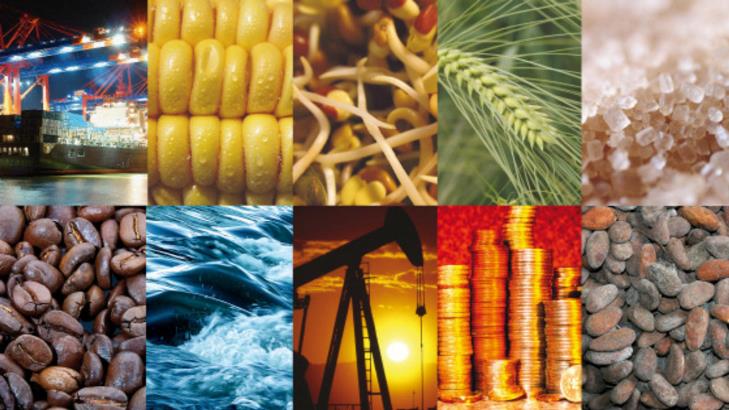
Commodity exchanges are most often used to make money on medium-term transactions.
Working hours – unlike forex, which operates 24/5, and cryptocurrencies 24/7, stock and commodity trading have specific working hours.
That is, they leave time for rest and mental recharge if trading is your main activity.
Essentially, the only advantage of Forex trading is high leverage, which allows for profits on short-term trades. That's why most beginners choose this segment of trading in hopes of quick profits. Moreover, the simplicity of trading itself is attractive at first. However, professionals still prefer other markets.