High market volatility and trading features
Various crises and stock market crashes are a time when some lose and others make fortunes.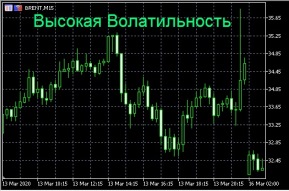
The main distinguishing feature of any crisis is high market volatility, with prices sometimes plummeting, sometimes soaring.
Volatility itself characterizes the price volatility of a particular market asset, showing how much the price has changed over a given period.
Determining how quickly the price is moving is quite simple by looking at the chart of a currency pair or other asset.
You can read more about this term here - http://time-forex.com/terminy/volatilnost-foreks
This becomes clearer with specific examples.
For example, not long ago, the Russian ruble fell against the US dollar by 10%, or 68,000 points. This could be considered high volatility.
Many traders wonder: Is it worth trading at such moments, since price changes are so rapid that it is difficult to cope with the fast trend?
Trading is definitely worth it, but the main thing is to take into account certain features of the situation and be extremely careful.
Peculiarities of trading during high volatility
There are several rules that will help you preserve your money during a volatile trend, and with a little luck, even make a good profit:
When there's bad news, close long positions —this is a basic rule that should always be followed. The more global the situation, the longer the price will fall, and it's better to immediately close all buy trades rather than hope for the best.
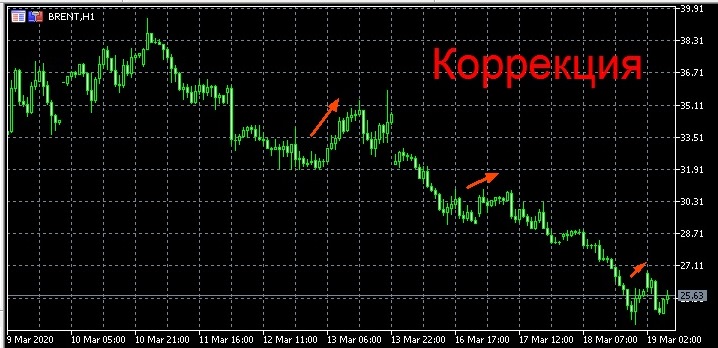
Don't forget about corrections —even during a market crash, there is always a correction. Therefore, even a sell trade in a downtrend can result in losses if you open it before the price pulls back:
Lower leverage – using high leverage is very dangerous at this time. The price moves quickly, and the resulting price gap may prevent your stop-loss from being triggered.
Indicators may not be working correctly – the market is more susceptible to news events, which can cause some indicators in trading terminals to generate false signals.
Limit the number of orders – during periods of high market volatility, it's best to avoid strategies that use a large number of simultaneously open orders.
When trading, it's advisable to be present on the trading platform and monitor market changes directly.
High market volatility has never been an obstacle to successful trading, but it does require maximum concentration and caution from the trader.