What to choose: the euro or the Swiss franc?
Over the past few decades, we have become accustomed to mistrusting the national currency, whose exchange rate has fallen several times in relation to major world currencies.
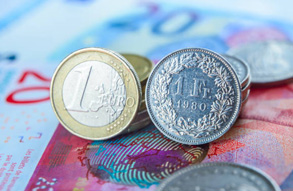
Therefore, the majority of the population prefers to keep money in currencies such as the US dollar, euro or Swiss franc.
The first two currencies are the most popular, but after the onset of the crisis and their sharp decline, many people are thinking about saving in Swiss francs.
Because the Swiss currency is used as an asset for storing savings along with gold.
Moreover, due to the decline in confidence in the US dollar, most investors today are choosing between the euro and the Swiss franc.
It is clear that a reasonable question arises here: Which is better, the euro or the Swiss franc?
As in most cases, the answer to this question cannot be unambiguous; everything depends on the goals and objectives.
Cash – the euro is definitely a winner here, as holding the Swiss franc in cash can be problematic.

Not all banks exchange cash francs, especially old banknotes that have already been withdrawn from circulation. However, the Swiss Bank regularly replaces old banknotes with new ones.
Liquidity – the euro is also the most sought-after currency. Currently, 20 countries use this currency.
In addition, you can easily exchange euros for another currency at almost any bank or exchange office, and the exchange commission will be much lower than for the Swiss franc.
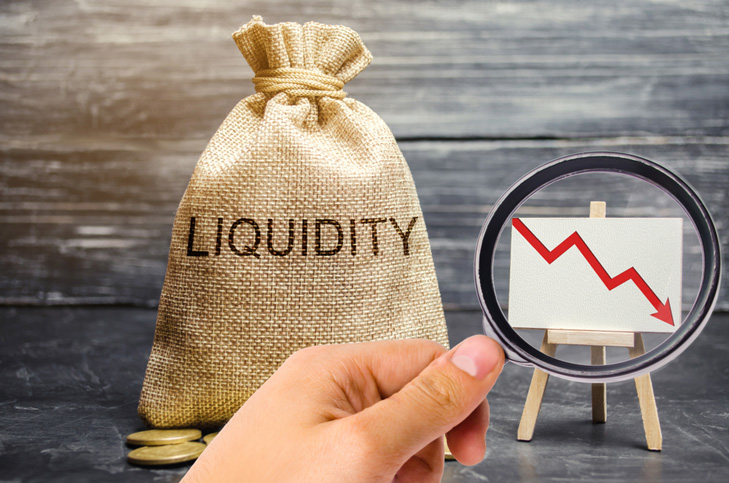
Reliability – if we consider long-term prospects, then here I would give preference to the Swiss franc, the majority of my savings are kept in this currency.
Unlike the euro, the fate of the franc is not a concern; Switzerland ranks 8th in the world in terms of gold reserves, and the amount of paper money in circulation is incomparably smaller than that of the euro or dollar.
But let's not forget that it is advisable to keep Swiss francs only in a bank account.
Profitability is the percentage return a deposit in a given currency can generate for its owner over a given period of time.
For deposits in euros, banks pay a maximum of 2% per annum, but for Swiss francs, only 0.5%, and finding a bank that will pay anything on a deposit in francs is not so easy.
Therefore, you can safely consider the difference of 1.5% per annum in favor of the euro, in the case where this indicator is important to you.
If we talk about preferences, then for long-term investments I would definitely choose the Swiss franc, and for savings for a period of less than a year, the euro.
It's best to forget about buying US dollars for now, at least until the elections in the United States of America.
For those who want to earn additional profit, you can buy Swiss francs through a stockbroker and then receive additional interest on the funds in your deposit - List of Forex brokers