What is a financial safety net and what size should it be?
After thirty years of age, every person begins to think about how to provide for themselves in case of unforeseen circumstances or create their own financial safety net.

A financial safety cushion is a reserve of funds that is formed through regular income, such as salaries, bonuses, or other financial receipts.
This reserve can be used for needs such as medicine, unscheduled repairs, or as a means of living during periods of unemployment.
Creating such a reserve is not difficult at all; the main thing is to approach the process creatively and learn to count.
Where to start?
One of the conditions for creating a financial cushion is a complete absence of debt, and this is a purely psychological aspect, since in my life I have almost never met people who save money and have debts.

Having debt and saving are incompatible; if you stop borrowing money, it will help you start saving.
Once you have achieved a balance between your income and expenses, the next step is to have free money.
Can you afford to save?
Most people don't want to save because they feel like they don't earn enough. This applies to both those who earn $100 a month and those who earn $10,000 a month.
But at the same time, there are many examples of how our grandmothers manage to save even with their small pensions. The main thing here is to recognize that you spend too much on things you don’t need.
For example, I never buy designer items, even though I can afford them. Instead, I prefer high-quality items from lesser-known brands. The price difference is usually quite significant, and these items look just as good as the designer ones.
This also applies to expensive alcohol, where a fabulous price does not always guarantee taste; some Georgian wines for $20 are no worse than French ones for $200.
Learn to count
Almost all of my friends who have financial problems cannot answer the question of how much and where they spend money; they simply never have enough.
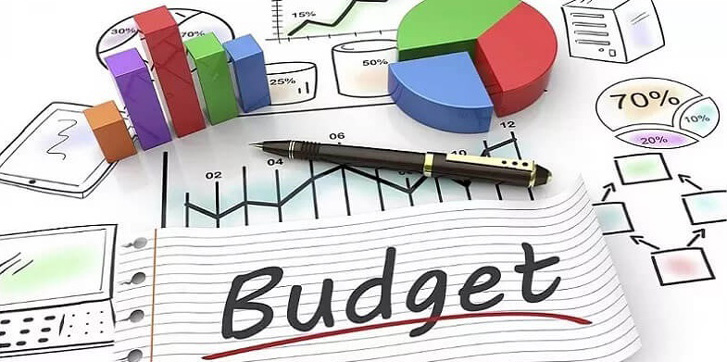
The first step to creating a financial safety net is to take stock of your expenses. You'll be surprised at where your money goes and how many opportunities there are to cut unnecessary expenses.
The size of the financial safety cushion
A minimum financial safety net should allow you to live on it for three months. For example, if you spend $500 per month, your financial reserve should be at least $1,500.
But ideally, the accumulated funds should be enough for 12 months, only then will you feel confident.
At the same time, no one is forcing you to save half your salary to achieve your goal quickly. Simply set a comfortable percentage of your income to save.

Most people say the minimum is 10% of regular income and 40% of unexpected income. That is, you put aside 10% of your salary each month, but with your 13th salary or an additional bonus, you can set aside 40%.
Building your desired savings account isn't a quick process, but it's also not as labor-intensive as it might seem at first glance. Life is fleeting, and before you know it, you'll have the necessary amount of money in your account.
Where to keep your financial safety cushion?
If you're just starting out on your savings journey and your savings amount doesn't exceed the equivalent of a few hundred dollars, your home can be a good place to store them.
But ideally, it would be better if funds from your salary were immediately transferred to a separate account with a higher interest rate, with the ability to withdraw at any time.
You should not invest your financial cushion funds in low-liquidity assets such as gold or stocks, as it may take time to realize them.
Alternatively, you can use foreign currencies in your bank account, as statistics show that exchange rate growth usually outpaces bank interest on deposits.