Shelling of Russian refineries is pushing up oil prices
The price of oil is quite sensitive to geopolitical factors; oil begins to rise even at the slightest threat of production cuts.
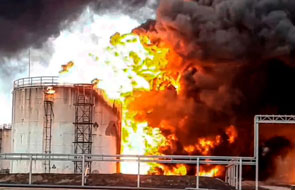
Recently, Ukraine has increased the number of strikes on the Russian Federation's oil refinery complex.
According to the publication Ekonomicheskaya Pravda , 13 oil refineries in Russia were damaged in 2024 alone, representing approximately 14% of the country's total capacity.
The role of oil refineries in oil pricing cannot be underestimated. Refineries perform a critical function, converting crude oil into products ready for end use, such as gasoline, diesel fuel, and jet fuel.
The implications for global oil and derivatives supply could be significant, given Russia's role as one of the world's largest exporters of oil and petroleum products. Reduced production capacity at Russian refineries could lead to a reduction in export supplies, increasing pressure on global supply.

Given existing shortages or limited supply, any shocks, such as shelling, could trigger a rise in oil and petroleum product prices. This, in turn, could lead to higher energy costs for end consumers and increased inflation in the global economy.
How did the attacks on oil refineries affect oil prices?
As expected, the market did not take long to respond; over the past few months, the price of Brent crude oil has risen from $75 to $85 per barrel:
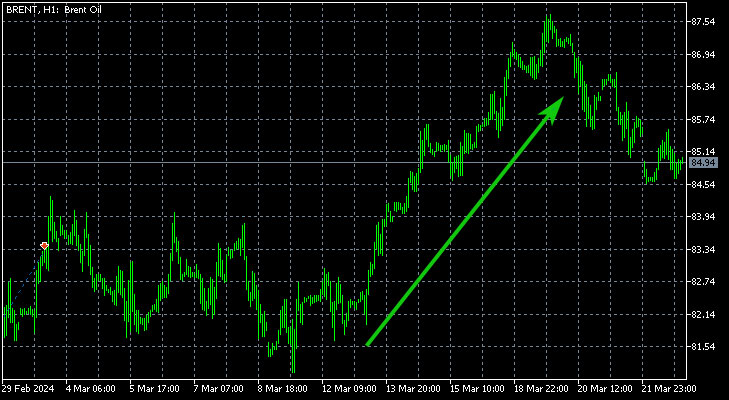
It's worth noting that this isn't just a reduction in commodity supply on the commodity market, but also a purely psychological factor. Traders, upon receiving news of new attacks on refineries, begin to speculate on the rise.
The fact of influence is also confirmed by US requests to the Ukrainian government to reduce the number of strikes on Russian oil refineries, as this increases the cost of oil and petroleum products.
But for now, the Ukrainian government refuses to stop the attacks, as they are in line with Ukraine's strategic interests.
Therefore, we should expect further increases in oil prices after further attacks on Russian refineries. Especially since the peak oil price a couple of years ago was $120 per barrel.
Looking at current trends, the oil market continues to be extremely sensitive to any geopolitical events, especially those affecting leading oil producing countries.
Shelling of Russian refineries is driving up oil prices, forcing market participants to react aggressively to every piece of news, making oil trading particularly volatile.
You can open a deal to buy oil with the following brokers - https://time-forex.com/vsebrokery/broker-fuchersy