Stopping the devaluation of the Euro currency.
Devaluation is an artificial reduction in the value of one currency relative to a number of other significant currencies.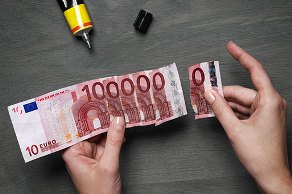
This usually occurs due to an increase in the unsecured money supply, which leads to a decrease in the exchange rate and an increase in inflationary processes.
Until recently, the European Central Bank pursued a policy of devaluation of the euro, which allowed it to significantly decrease its exchange rate against the US dollar and a number of other currencies.
Thanks to this policy, the euro has lost about 20% of its value over the past two years, thereby stimulating the European economy to grow.
But last week, the Central Bank's leadership decided to suspend this process, meaning measures will be taken to reduce the flow of unsecured money into circulation.
Firstly, an excessive fall in the Euro could reduce the positive effect on the economy and cause an outflow of investment.
Secondly, this is the European Union's reaction to US accusations of the EU handing out loans at 0% interest. Over the past two years, approximately 900 billion euros have been issued.
The decision to stop the artificial devaluation of the Euro allows us to talk about the course for upward trend for the euro/dollar currency pair. Clearly, we're talking about the long term here.