Why is the euro depreciating and what are its prospects?.
While not all Forex traders are scalpers, there are many players who prefer longer-term trades.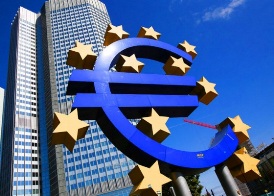
It is these traders who need to understand the fundamental basis for exchange rate formation, which will allow them to identify long-term trends and determine their prospects.
One of the most popular currencies on the forex market at the moment is the euro, whose exchange rate has been rapidly declining in recent months.
Whether there is a real reason for the euro's depreciation or whether the trend is driven by panic is a decisive factor.
1. Migrants are one of the reasons why the euro currency has begun to lose its position; supporting refugees requires allocating money that could otherwise go into the economy.
2. Greece – it would seem that a crisis in one country alone shouldn't harm the EU economy as a whole. However, the crisis in Greece has already cost €173 billion, a significant sum even for the EU.
3. Brexit – Great Britain is leaving the European Union, and as we know, it is one of the most significant contributors.
4. Investment outflow – in 2016, capital outflow from the Eurozone amounted to almost €500 billion. This is effectively a record figure since the introduction of the euro.
Gradually, the reasons that caused the downward trend are disappearing:
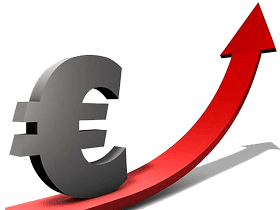
The problem with migrants remains, but it is no longer as frightening; the situation in Syria is stabilizing, and the flow of refugees is decreasing.
In addition, the leadership of EU countries will continue to tighten requirements for obtaining refugee status.
In 2016, Greece showed GDP growth of 0.1%, and in 2017, a jump in this important indicator to 2.5% is planned.
Britain itself is frightened by its decision; the question of leaving is still up in the air, but even with a final decision, Britain will pay contributions to the European Union fund.
Investment outflow—nothing definitive can be said about this; the situation will begin to change once European indices begin to rise. And the likelihood of their rise is quite high.
This means that you shouldn't expect the euro to continue to weaken in the long term; its exchange rate against the US dollar will likely remain at $1.02-$1.04 per euro. It's highly likely upward trend.