Trader or analyst?
All newcomers to the exchange initially believe that the trader is the main player.
After all, it's the trader who makes profitable trades; their work is visible to everyone, and they're the ones interviewed by financial publications.
In reality, very few traders make independent decisions about new trades. More precisely, they make decisions about opening positions independently, but based on data provided by an analyst.
What's the difference between these two professions, and who is truly more important in exchange trading?
A trader , as defined by Wikipedia , is a person who trades on their own initiative and seeks to profit from speculative transactions.
Their task is to make a decision on a specific transaction and support it after the order is opened, ensuring risk insurance.
There are few generalist traders on the exchange who can independently assess the attractiveness of securities or forecast exchange rate movements.
To become a trader, you don't need to have a special education; you just need to learn to see market patterns and use them correctly
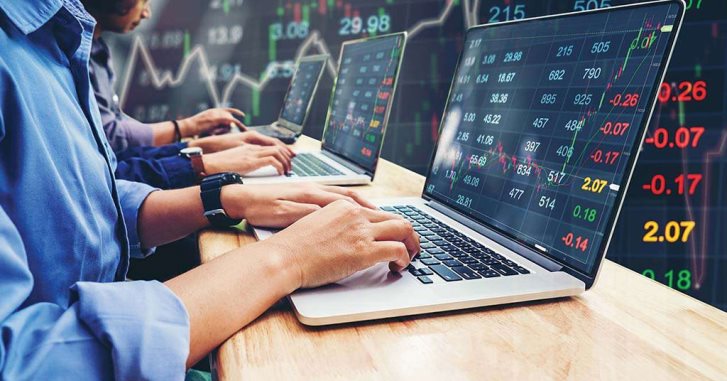
An analyst is a specialist whose responsibilities may include financial analysis, as well as economic analysis of companies, and sometimes entire industries.
They not only study financial statements and statistics but also develop models for predicting market developments.
Financial analysts are one of the most complex professions, requiring specialized education and a certain mindset.
Analysts typically have a background in mathematics, economics, or finance. There is also a separate specialty, financial analytics.
Former analysts become the best in stock trading, as they base their trade decisions on their own market analysis.
So what if you have neither the time nor the inclination for extensive training? Surely a trader can't trade without the input of an analyst?
Fortunately, they can, perhaps not as effectively, but it all depends on the personal qualities of the individual trading. Hedge funds often work with analysts, but history knows of many traders who achieved success without such assistance.