Eurobonds – an investment tool
Sooner or later, private investors reach the point of wanting to invest in high-yield assets 
that offer the opportunity to earn more than bank interest on foreign currency deposits or deposits in the national currency.
Fixed foreign exchange income, typically in dollars, can be achieved by purchasing Eurobonds.
This investment provides protection against unexpected events that occur in the foreign exchange market, such as inflation, devaluation, or fluctuations in exchange rates.
What are Eurobonds?
Eurobonds are a special type of Eurobond. The simplest definition of Eurobonds is that they are debt securities denominated in a currency that is foreign to the government or company issuing them.
For example, Rosneft's Eurobonds are dollar-denominated debt instruments, while Apple's Eurobonds are their bonds denominated, among other things, in Chinese currency.
Why are these bonds designated "euro"? This is because this type of security was first issued in Italy in 1963, and it has now simply become a tradition.
There's no longer any geographic connection to Europe, as these debt instruments are common worldwide.
How do these securities work?
For example, an issuer (a government or a company) plans to finance a current or future project, expand its operations, or resolve a financial issue.
To implement these plans, it borrows. This is done through the issuance of securities called Eurobonds.
Investors purchase the issued Eurobonds, thereby providing the issuer with funding. In return, investors receive fixed-income payments, usually 1-2 times a year.
This financing method can be described more simply: investors lend money to the issuer, and the issuer pays the investors interest on the borrowed funds specified when the bonds were issued. At the end of the loan term, the issuer repays the loan in full.
Government bonds are the most reliable, as the state assumes the debt obligations. Interest rates on government-issued bonds are lower than on corporate bonds:
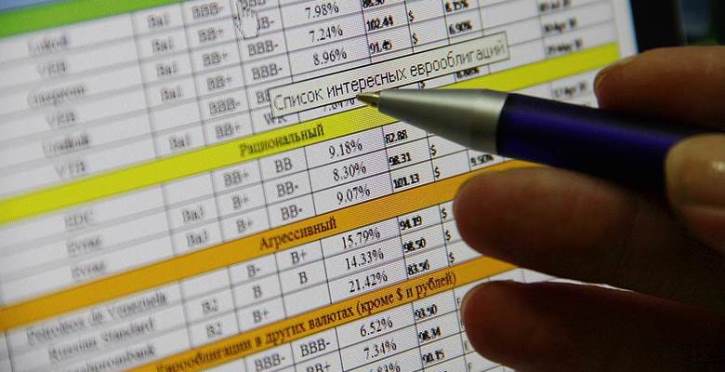
Income on Eurobonds issued by companies is somewhat higher, but the risks are also high. Typically, the higher the interest rate, which can reach 10%, the riskier the investment is considered.
Ultimately, an investor investing in Eurobonds can receive dollar returns ranging from 2-3% to 6-8% per annum.
The main risk and characteristic of Eurobonds is their yield's vulnerability to the influence not only of the bond's interest rate but also of the exchange rate, which is volatile.
In 2014-2015, Eurobonds provided the most profitable investment for investors, significantly exceeding returns on bank deposits, gold, stocks, and real estate.
However, another scenario should be considered: if a currency, such as the ruble, strengthens, the yield on Eurobonds calculated in rubles may become negative.
Which is better: Eurobonds or dividend stocks?
Investing in Eurobonds is similar to investing in stocks, although they only appear similar at first glance. Each type of security has its own unique characteristics, meaning investors should consider their individual needs.
Furthermore, there's no consensus on which is better—dividend stocks or Eurobonds. As we've already said, everyone decides for themselves.
Here's what we can tell you to help. Stocks can be purchased for long-term investment, but during a crisis, their price can plummet.
Therefore, experienced investors recommend having both stocks and bonds in a portfolio. Debt securities continue to generate income during a crisis, and these funds can be used to purchase stocks that have fallen in price.
When the economy recovers, stocks rise, and investors profit from their growth while continuing to receive fixed income from Eurobonds.
How to buy Eurobonds
There are three ways for the average investor to purchase Eurobonds:
1. Buying them yourself. This will require $1,000 or more. Yes, this investment is not for the average investor.
2. Investing in Eurobond ETFs. Eurobond ETFs include shares of many top-tier companies, including Severstal, Sberbank, Rosneft, Gazprom, and others.
3. Buying a share in a mutual fund (a kind of ETF).
AMarkets as an example , which has two types of bonds: BUND10Y and TNOTE:
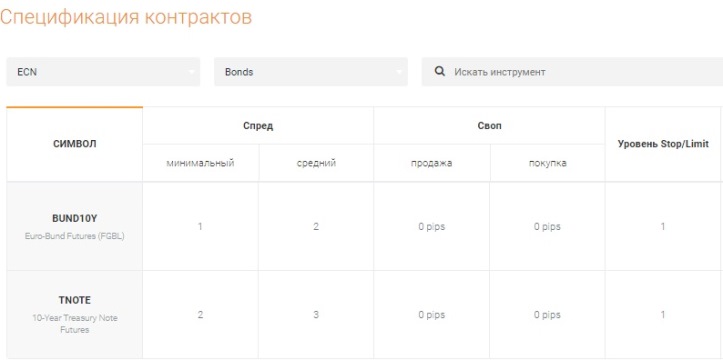
Here's what you need to do to trade them:
- Open an account with a broker. Eurobonds are available on an ECN account;
- Download the trading terminal to your computer;
- Contact a manager who will advise you on the best way to structure a trade.
Investors can also install a trading app on their smartphone or tablet. AMarkets clients gain access to charts, the ability to determine trends, and execute trades on Eurobonds.
Advantages of trading with a broker:
- There is no requirement to undergo the qualification process required to gain access to trading platforms for bonds.
- Relatively small initial capital.
- Margin trading opportunities.
When you trade with a broker, their entire team is on your side, all their analysts are ready to help you, and this is another advantage in favor of trading with a broker.