Bitcoin as a hedge against inflation?
Inflation is an increase in the prices of goods and services, which leads to a devaluation of money. If the inflation rate is 5% per annum, then in 10 years your savings will lose half their value.

Inflation can be caused by a variety of factors, such as rising demand, increased money supply, or a deteriorating economic situation. This process affects not only weak currencies, but also currencies like the dollar or euro.
Investors often consider various options for hedging against inflation, including investing in gold, real estate, and other assets.
In recent years, there has been increasing discussion about the possibility of using Bitcoin as a hedge against monetary devaluation.
It is not for nothing that this asset is called digital gold, and recently, a direct correlation has been observed between the prices of Bitcoin and gold.
The benefits of using Bitcoin as a hedge against inflation:
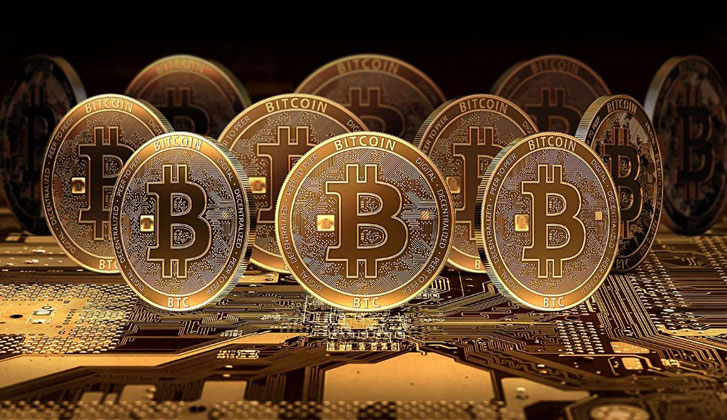
Limited supply. The number of Bitcoins that can be issued is limited to 21 million. This makes Bitcoin a deflationary asset, meaning its value is expected to increase over time.
Decentralization. Bitcoin is not controlled by any single organization or government. Therefore, it is more resistant to inflation caused by political or economic factors.
Global liquidity. Bitcoin can be easily sold or exchanged for other assets anywhere in the world. Furthermore, it can be used directly instead of standard currencies when paying for services or goods.
This makes Bitcoin more liquid and accessible to investors than other types of investment assets, which may be limited to a certain country or region.
Disadvantages of using Bitcoin as a hedge against inflation:
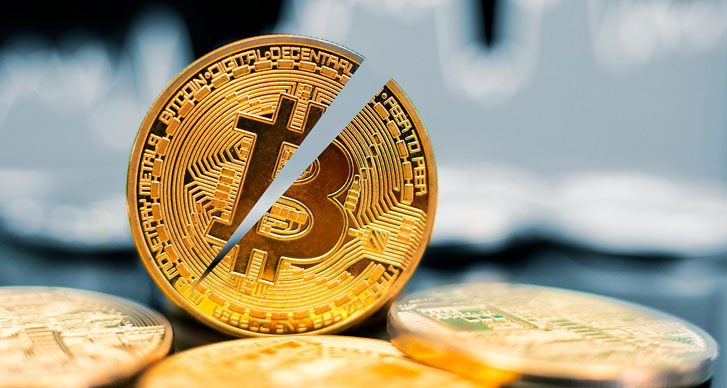
Volatility. Bitcoin's price is quite volatile, meaning it can rise or fall rapidly in a short period of time. This can make Bitcoin an unreliable asset for short-term investment.
Unregulated. Bitcoin is not regulated by governments or financial institutions. This may make it a riskier asset for investors who are not prepared to take high risks.
Vulnerability. Digital currencies are stored in e-wallets, making them vulnerable to hacking. Furthermore, there's a risk of losing access to your wallet if you lose your keywords.
To avoid this, it is recommended to invest in Bitcoin through exchanges or cryptocurrency brokers. This way, you won't lose your savings due to a mobile phone failure.
Conclusion:
Bitcoin has both advantages and disadvantages as an inflation hedge. On the one hand, its limited supply and decentralization make it an attractive asset for investors seeking protection from inflation.
On the other hand, its volatility, lack of collateral, and lack of regulation can make it too risky an asset, so you shouldn't invest all your savings in Bitcoin.
Ultimately, the decision to use Bitcoin as an inflation hedge is a personal one. Each investor must weigh the benefits and risks of this option most closely.